✓
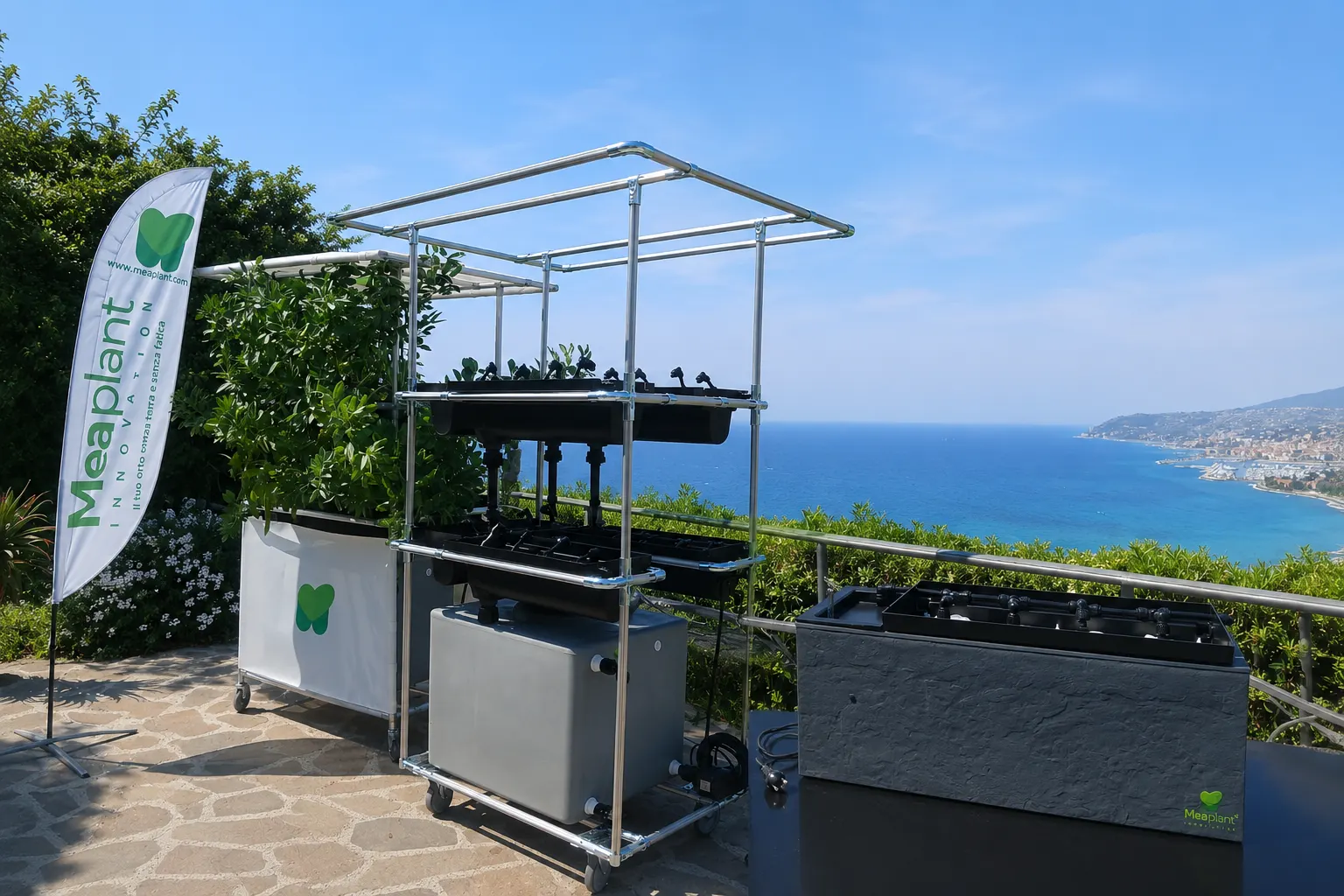
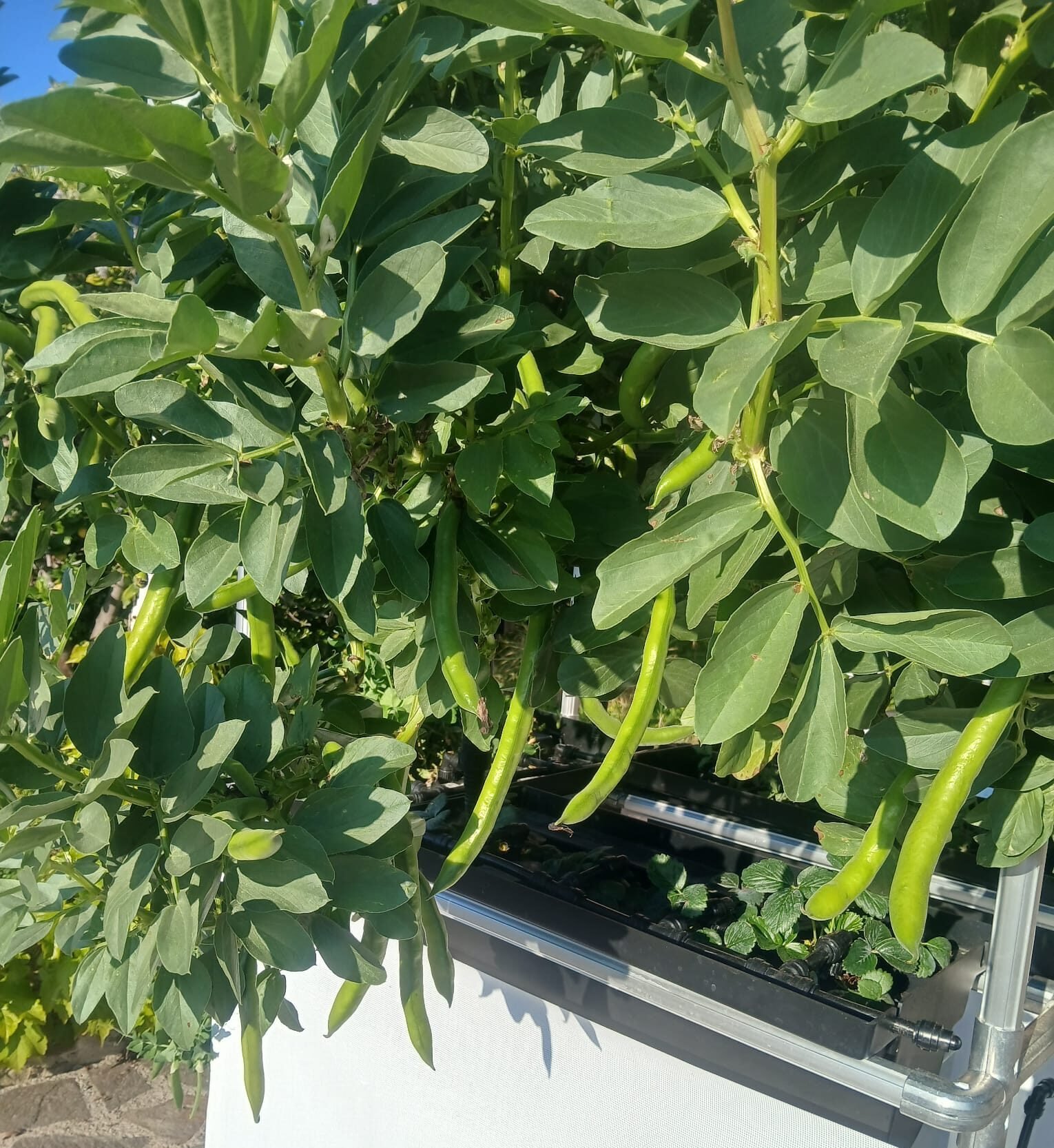
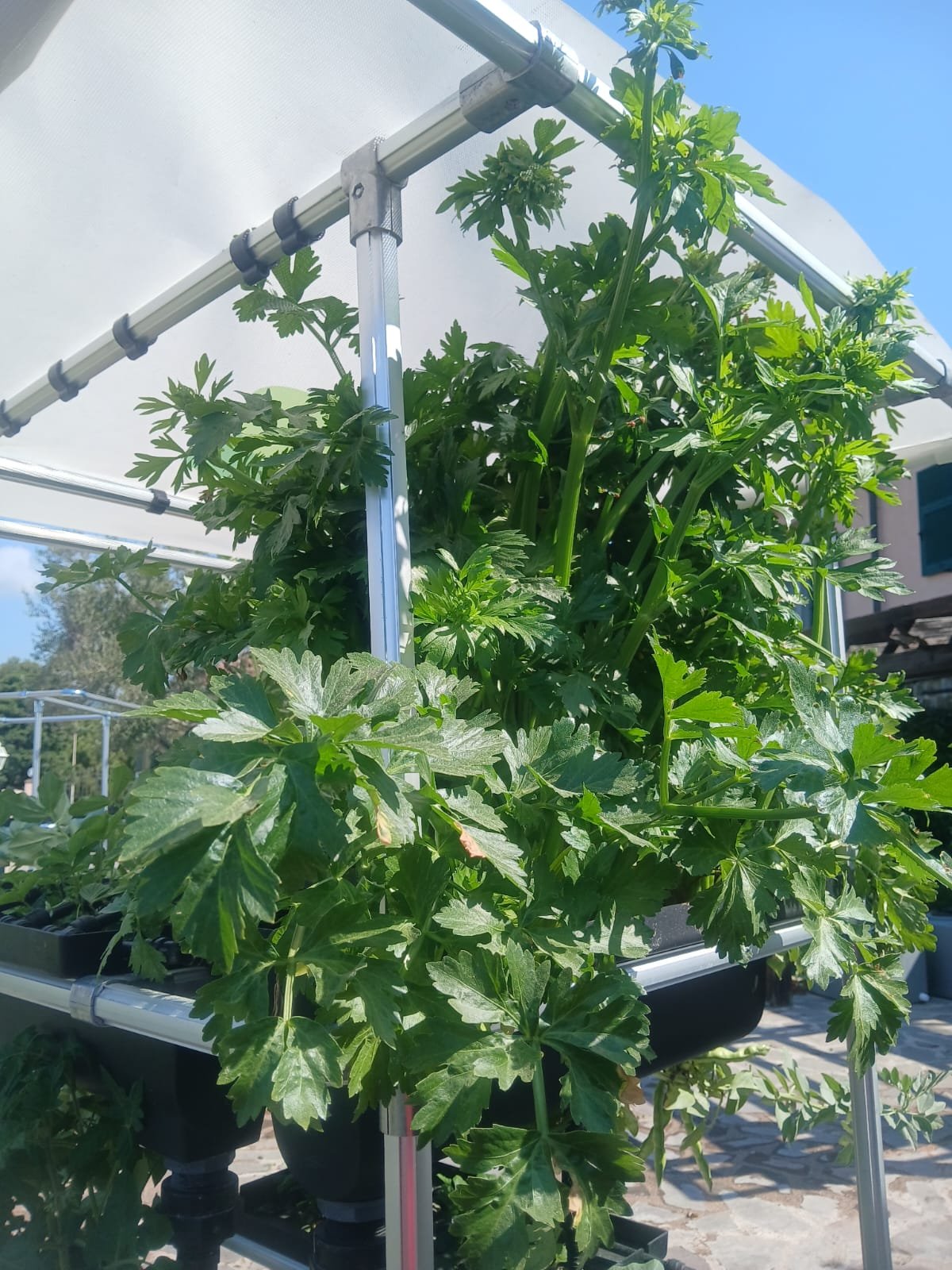
Meaplant Innovation is a universal closed-circuit cultivation system in which it is possible to grow all the plants usually cultivated in current soilless cultivation systems, as well as additional plants that are not commonly grown in soilless cultivation, including vines, citrus fruits, apples, and currants, already tested within our system.
✓
Meaplant Innovation allows cultivation also in open-air environments because the plants are rooted similarly to natural soil conditions, and there is no risk of root asphyxiation in the event of heavy rain. The system can be used on balconies, terraces, roofs, green walls, urban outdoor spaces, and in the countryside.
✕
In current soilless cultivation systems, roots are weakly anchored or not anchored at all because they grow inside perlite, pumice, zeolite, rock wool, coconut coir, or other inconsistent materials, in water (Hydroponics), or in air (Aeroponics). In these systems, plants cannot withstand environmental conditions and are generally used only in protected environments such as greenhouses or buildings equipped with artificial lighting systems (vertical farming), resulting in high cultivation costs.
✓
Meaplant Innovation eliminates the risk of root asphyxia. The substrate never becomes saturated with water because excess water drains away while maintaining oxygen-rich empty spaces. The absence of micropores, commonly present in current substrates, also prevents the formation of fungi and bacteria. Furthermore, the substrate is bacteriostatic and does not require special disinfection treatments.
✕
In hydroponics, roots remain submerged in water, which does not respect the natural physiology of plants, making them weaker and more vulnerable to fungi and bacteria. Complex disinfection and oxygenation systems for the recirculating nutrient solution are required. Only short-cycle plants such as salads, spinach, basil, parsley, and strawberries can generally be cultivated. In aeroponics, roots remain suspended in air, which also does not respect plant physiology, making the system highly vulnerable because a single irrigation failure may compromise the entire crop.
✓
The Meaplant Innovation cultivation medium does not absorb salinity. The nutrient solution supplied by the irrigation system remains chemically consistent at the roots because the substrate does not alter the solution through salt absorption. Continuous monitoring of supplied and drained solutions is therefore unnecessary, and exhausted nutrient solutions requiring disposal are not generated.
✕
In closed-loop systems using conventional substrates that absorb salinity, substrates must frequently be washed to prolong the recirculating nutrient solution. If not washed, the nutrient solution often needs replacement every few days, generating waste and environmental impact. Frequent washing also subjects plants to salinity stress, while constant monitoring of mineral concentrations becomes necessary.
✓
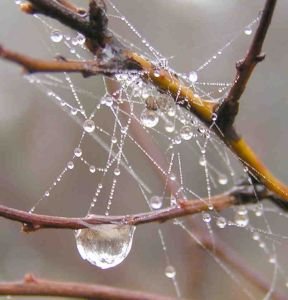
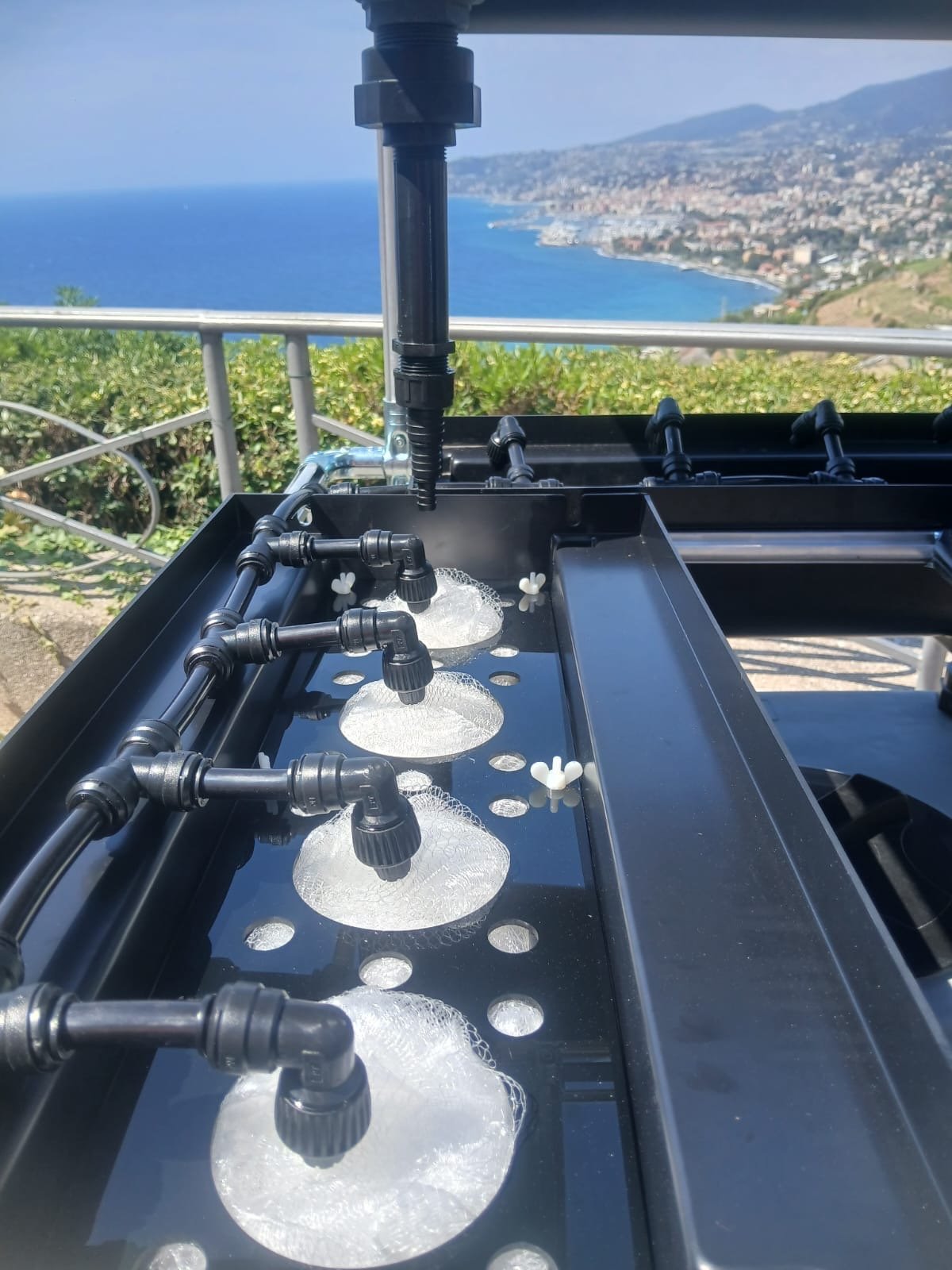
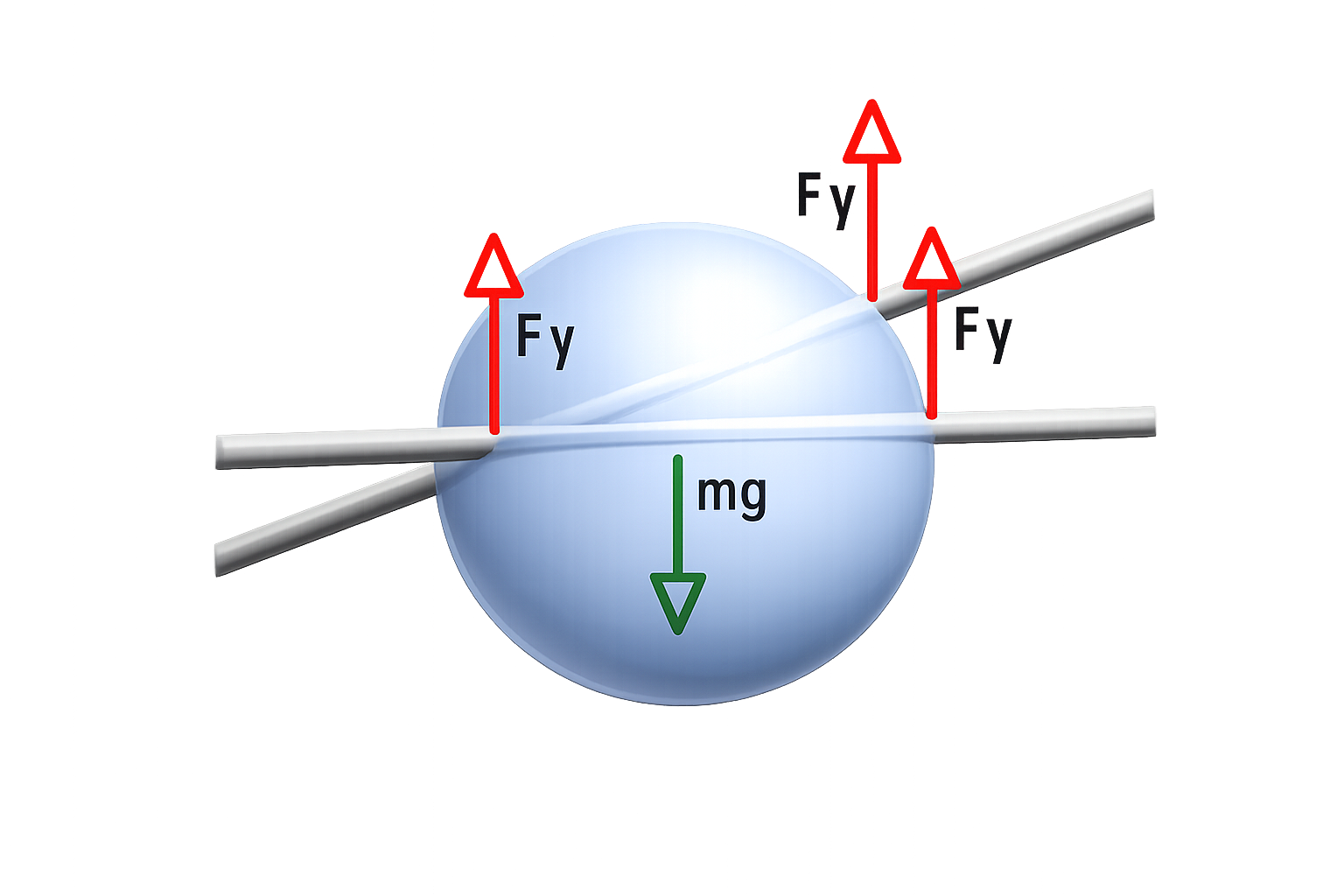
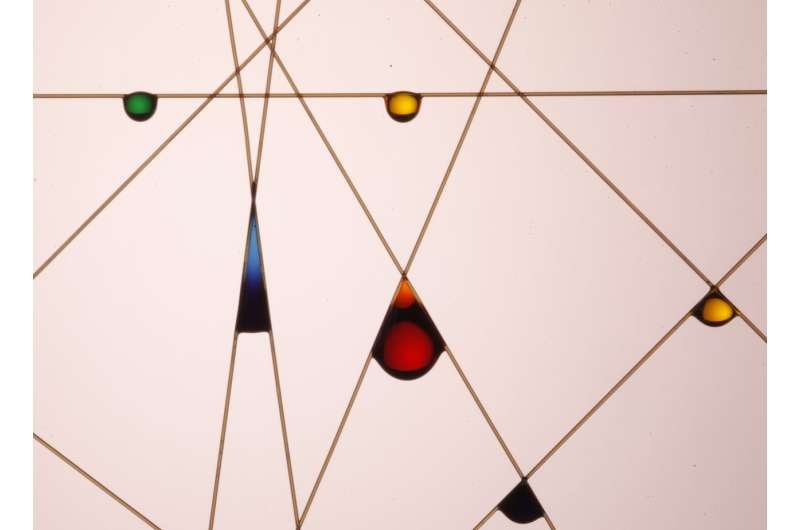
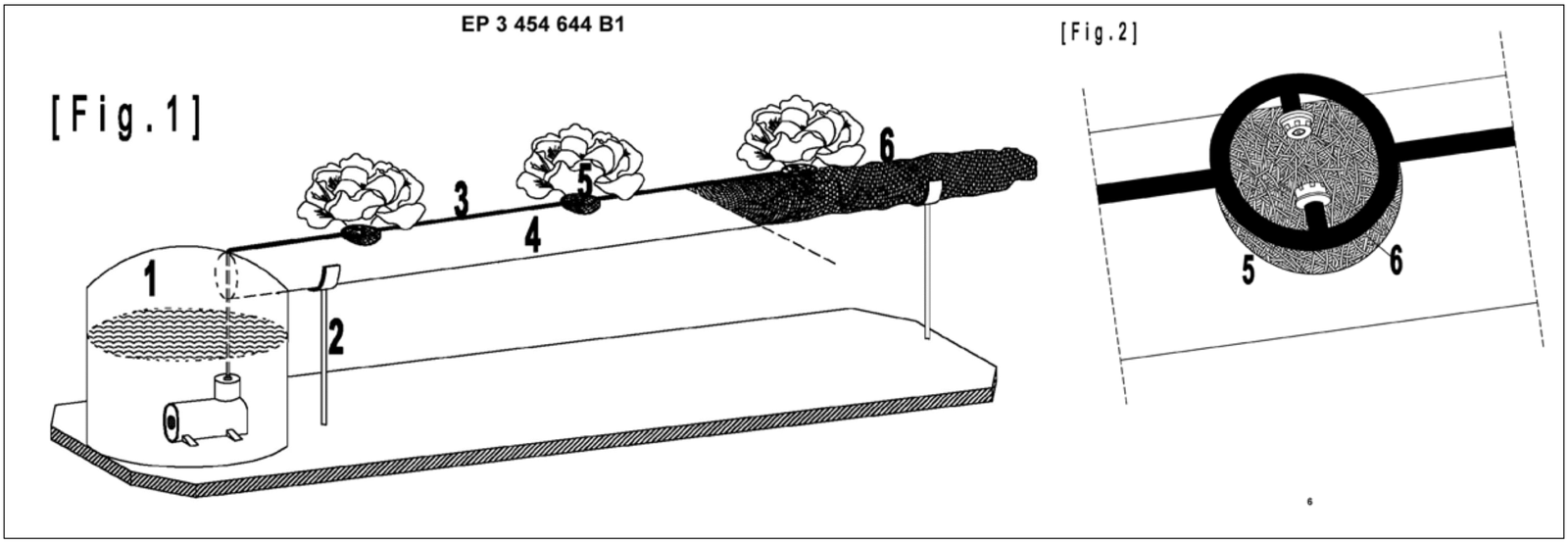
Irrigation management in Meaplant Innovation is simple and does not require measuring drainage quantities. Water droplets remain suspended on the substrate mesh and naturally fall back into the tank through gravity when they reach sufficient mass, completely eliminating the risk of over-irrigation.
✓
Meaplant Innovation allows the simultaneous cultivation of plants with different water requirements. For example, watermelons can be cultivated together with succulents within the same irrigation cycle.
✕
In current substrate, hydroponic, and aeroponic cultivation systems, it is generally possible to grow only one plant species at a time because each species requires a dedicated nutrient solution and irrigation cycle.
✓
In the Meaplant Innovation cultivation substrate, all water droplets remain directly available to the roots. The water potential is equal to zero, meaning the roots do not need to exert absorption force as they do in conventional substrates.
✓
Meaplant Innovation minimizes water loss through evaporation using the same strategy observed in cactus physiology. Water absorption by the roots occurs more rapidly than evaporation due to the hydrophobic-hydrophilic gradient established between the substrate and the roots.
✓
The Meaplant Innovation cultivation substrate is made from recyclable materials or biomaterials suitable for food use.
✕
Conventional cultivation substrates such as perlite, pumice, zeolite, rock wool, and coconut coir are generally not recyclable and often require special handling and disposal procedures.